
WordPress powers a massive portion of the web, which makes it an attractive target for attackers. While the core platform is generally secure and regularly updated, many vulnerabilities arise from the ecosystem surrounding it—especially plugins and themes. Understanding how poorly coded or untrusted extensions impact security is critical for maintaining a safe WordPress site.
Vulnerable or Poorly Coded Plugins & Themes
Plugins and themes extend WordPress functionality, but they also introduce risk. Every piece of code added to a site becomes part of its attack surface. When developers fail to follow secure coding practices—suchPlugins and themes are what make WordPress so flexible and powerful—but that flexibility comes at a cost. Every time you install a plugin or activate a theme, you’re essentially trusting third-party code to run alongside your core application, often with significant access to your site’s inner workings. This means each addition doesn’t just add features—it expands your attack surface, creating more opportunities for something to go wrong.
At a technical level, plugins and themes frequently interact with critical components of WordPress, including the database, file system, authentication mechanisms, and user roles. If the code handling these interactions is not written securely, it can open the door to serious vulnerabilities.
For example, when developers fail to properly validate and sanitize user input, attackers can inject malicious data into forms, URLs, or API requests. Without proper output escaping, that malicious input can then be executed in a browser, leading to attacks like cross-site scripting. Similarly, missing or weak permission checks can allow users to perform actions they should never have access to—such as editing content, changing settings, or even gaining administrative control.
Poorly coded extensions may:
- Expose sensitive data: Insecure database queries, debug logs left accessible, or improperly protected API endpoints can leak user information, passwords, or configuration details.
- Allow unauthorized access: Weak authentication or missing authorization checks can let attackers bypass login restrictions or escalate privileges, turning a low-level account into an admin-level compromise.
- Break existing security controls: A plugin might unintentionally override WordPress core protections, disable security headers, or conflict with other security tools, weakening your overall defense without obvious signs.
What makes this especially dangerous is how deeply integrated plugins and themes are within the WordPress ecosystem. Many have permission to read and write files, execute database queries, and interact with all user roles. As a result, a single vulnerable function—no matter how small—can act as an entry point for attackers to take control of the entire site.
In practice, this means one insecure plugin can:
- Provide a backdoor into your admin dashboard
- Allow attackers to inject malware into your pages
- Enable full database access, exposing all stored data
- Lead to complete site takeover or server compromise
The risk isn’t just theoretical—it’s one of the most common causes of WordPress breaches. That’s why even one poorly coded plugin or theme can undermine an otherwise secure setup.
Plugins from Untrusted Sources or Nulled/Pirated Plugins
Using plugins from unofficial or unverified sources significantly increases security risk. Nulled or pirated plugins—premium tools distributed illegally—are especially dangerous.
These often contain:
- Hidden backdoors that grant attackers remote access
- Malware or spam injection scripts
- Obfuscated code that is difficult to audit
Since these plugins are not updated through official channels, they also miss critical security patches. Even if they appear to function normally, they may silently compromise your site over time.
Custom Themes or Plugins Without Proper Security Practices
Custom development offers flexibility but introduces risk when security is not prioritized. Developers unfamiliar with secure coding standards may unintentionally introduce vulnerabilities.
Common issues include:
- Lack of input sanitization and validation
- Improper user authentication or authorization checks
- Direct database queries without prepared statements
- Exposure of sensitive configuration data
Without regular code reviews and security testing, these custom components can become easy entry points for attackers.
Dangerous Vulnerabilities in Plugins
Certain types of vulnerabilities are especially harmful in WordPress environments:
SQL Injection (SQLi)
Occurs when user input is improperly handled in database queries. Attackers can:
- Access or modify database contents
- Extract user credentials
- Escalate privileges
Cross-Site Scripting (XSS)
Allows attackers to inject malicious scripts into web pages viewed by other users. This can lead to:
- Session hijacking
- Credential theft
- Defacement or redirection
Remote Code Execution (RCE)
One of the most severe vulnerabilities. It enables attackers to execute arbitrary code on the server, potentially allowing:
- Full site takeover
- Malware installation
- Server-level compromise
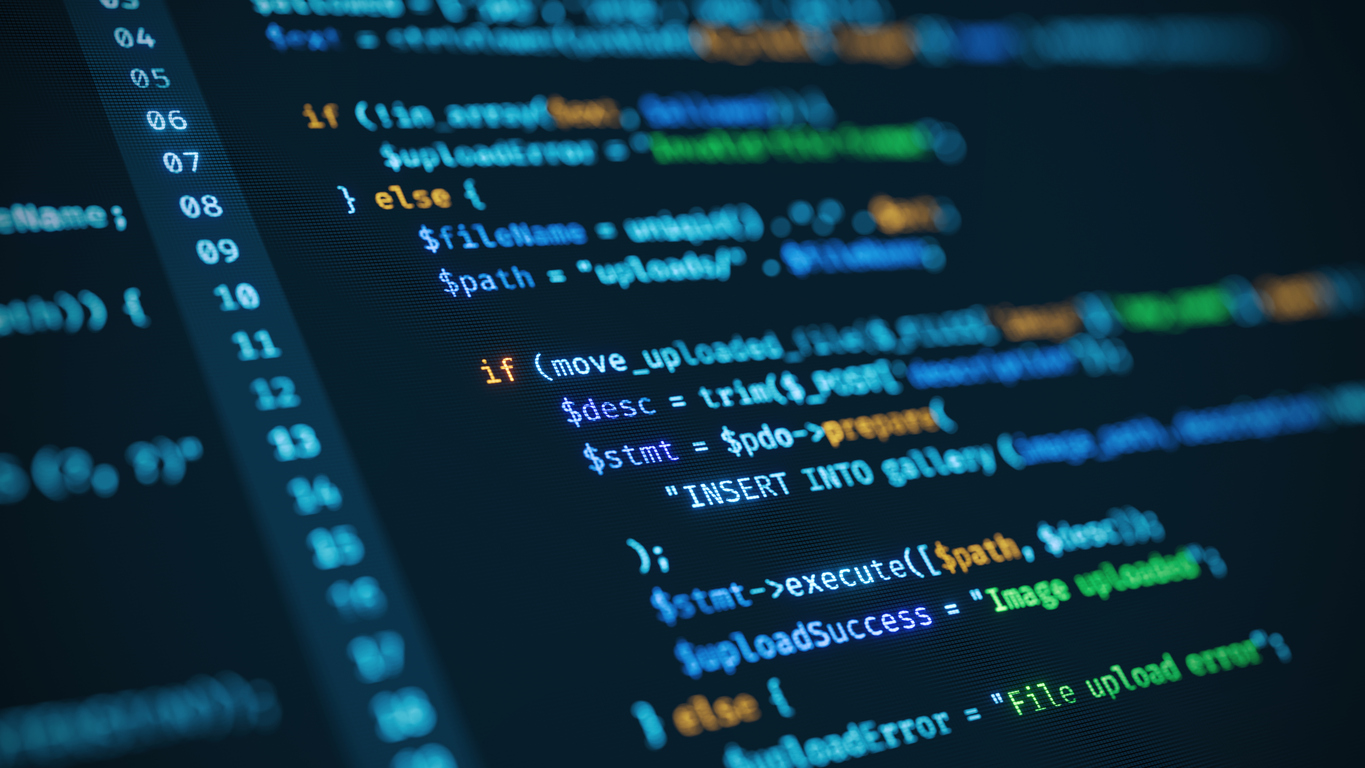
Plugins that mishandle file uploads, user input, or permissions are common sources of these vulnerabilities.
Excessive Plugins Increasing the Attack Surface
While plugins add functionality, having too many can be a liability. Each plugin:
- Introduces new code that may contain vulnerabilities
- Requires updates and maintenance
- May conflict with others, creating unintended security gaps
A larger number of plugins increases the likelihood that at least one is outdated or insecure. Even inactive plugins can pose risks if they remain installed on the server.
WordPress security is only as strong as its weakest component. Vulnerable or poorly maintained plugins and themes are among the most common causes of site compromises. To reduce risk:
- Use only trusted, actively maintained plugins and themes
- Avoid nulled or pirated software entirely
- Follow secure coding practices for custom development
- Regularly update and audit all extensions
- Limit the number of installed plugins to what is truly necessary
By treating plugins and themes as potential security liabilities—not just features—you can significantly strengthen your WordPress site’s defenses.